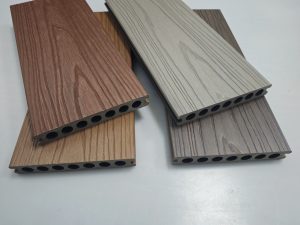
The demand for durable and low-maintenance outdoor building materials is growing rapidly across South America. In countries such as Brazil, Chile, Colombia, Peru, and Argentina, traditional wood decking often faces serious problems caused by humidity, heavy rainfall, strong sunlight, termites, and mold.
For homeowners, contractors, resorts, and commercial developers, co-extrusion decking has become one of the most reliable alternatives to traditional timber decking.
With advanced protection technology, co-extrusion composite decking offers excellent weather resistance, long service life, and modern aesthetics, making it ideal for South America’s tropical and coastal climates.
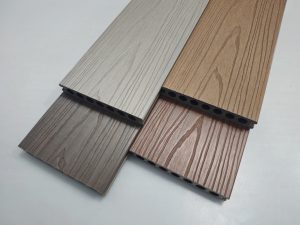
What Is Co-Extrusion Decking?
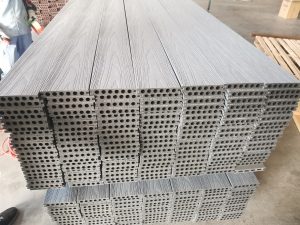
Co-extrusion decking, also called capped composite decking, is a high-performance type of WPC decking (Wood Plastic Composite decking).
It features:
- A strong composite core
- A protective outer polymer shield
- Enhanced waterproof and UV-resistant performance
Compared with traditional composite decking, co-extrusion decking provides better protection against:
- Moisture
- Sun exposure
- Mold and mildew
- Scratches
- Fading
- Termite damage
This makes it especially suitable for outdoor environments in South America.
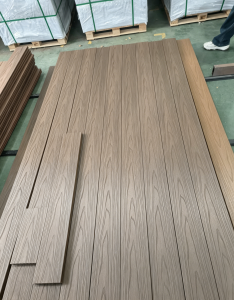
Why Co-Extrusion Decking Is Popular in South America
South American climates can be extremely challenging for outdoor wood materials. High humidity, tropical storms, strong UV radiation, and temperature changes can quickly damage natural wood decks.
Co-extrusion decking solves these problems efficiently.
Excellent Waterproof Performance
Traditional wood absorbs water easily, leading to cracking, swelling, and rotting. Co-extrusion decking has a protective outer layer that helps prevent water penetration and moisture damage. It is an ideal choice for:
- Swimming pool decking
- Coastal projects
- Garden decking
- Rainy tropical regions
Strong UV Resistance
South America experiences intense sunlight throughout the year. High-quality co-extrusion decking is designed to resist fading and discoloration caused by UV exposure. The surface maintains its color and appearance for many years.
Anti-Termite and Anti-Mold Protection
Termites and mold are major problems for traditional timber decking in tropical climates. Composite deck boards do not attract insects and are highly resistant to mold growth. This greatly reduces maintenance costs.
Low Maintenance Costs
Unlike wood decking, co-extrusion composite decking does not require:
- Painting
- Sealing
- Oiling
- Frequent repairs
Simple cleaning with water is enough to keep the deck looking clean and modern.
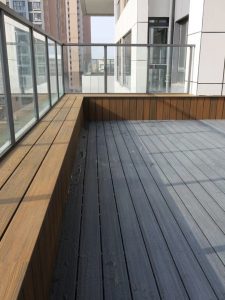
Co-Extrusion Decking vs Traditional Wood Decking
| Feature | Co-Extrusion Decking | Traditional Wood Decking |
| Waterproof | Excellent | Poor |
| UV Resistance | High | Medium |
| Anti-Termite | Excellent | Poor |
| Maintenance | Very Low | High |
| Lifespan | 20+ Years | 5–10 Years |
| Fade Resistance | Excellent | Weak |
| Tropical Climate Performance | Excellent | Limited |
For commercial and residential projects in South America, composite decking offers a more cost-effective long-term solution.
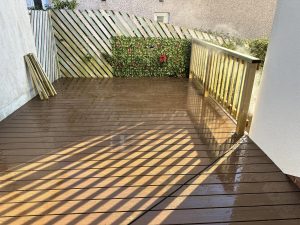
Popular Applications of Composite Decking
Co-extrusion decking is widely used in outdoor construction projects throughout South America.
Residential Applications
- Backyard decking
- Patio decking
- Balcony flooring
- Rooftop terraces
- Swimming pool decks
Commercial Applications
- Hotels and resorts
- Restaurants and cafes
- Public parks
- Beachside projects
- Commercial walkways
- Marina decking
Its modern wood appearance and durability make it highly attractive for architects and developers.
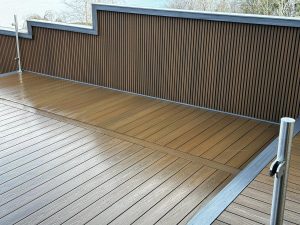
How to Choose a Reliable WPC Decking Supplier
When importing composite decking to South America, choosing a professional manufacturer is very important.
A reliable WPC decking supplier should provide:
- Stable product quality
- UV-resistant technology
- Waterproof testing
- OEM & customization services
- Fast delivery capability
- Competitive wholesale pricing
- Export experience for South American markets
Professional suppliers can also offer customized colors, embossed wood textures, and different deck board sizes for various projects.
Future of Composite Decking in South America
As outdoor living spaces become increasingly popular, more builders and homeowners are replacing traditional wood with composite decking materials.
Co-extrusion decking is expected to continue growing in South America because of its:
- Long lifespan
- Low maintenance
- Modern appearance
- Superior tropical climate performance
For distributors, importers, and construction companies, WPC decking represents a strong opportunity in the expanding outdoor building materials market.
Conclusion
Co-extrusion decking is becoming the preferred outdoor decking solution across South America. Its waterproof performance, UV resistance, anti-termite protection, and low maintenance advantages make it ideal for tropical and coastal environments.
Whether for residential patios, hotel resorts, swimming pools, or commercial projects, capped composite decking delivers long-lasting performance and modern design.
If you are looking for a reliable composite decking manufacturer or WPC decking supplier, high-quality co-extrusion decking can help you meet the growing demand of the South American market.