
What Is Co-Extruded Decking (Deck Coextruido)?
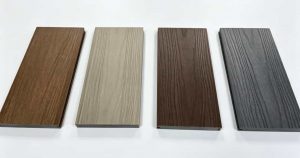
Standard WPC is a mix of wood fiber and polymer, shaped into boards. Co-extrusion adds a second step: a protective polymer shell is fused around the board core during production, in the same process. Think of it as a “skin” that shields the board from the outside world.
Compared with uncapped WPC, a co-extruded board typically offers:
- Better UV and fade resistance, which is important for open terraces and rooftops
- Higher stain resistance(wine, grease from the parrilla, sunscreen, soda)
- Lower water absorption, so less swelling and mold
- More realistic wood-grain texture that lasts for years
Why It Works So Well in Mexico
- Sun and heat.In northern and central Mexico, surface temperatures on decks can be punishing. The capped shell and UV stabilizers help colors stay stable season after season.
- Rain and humidity.In the Gulf coast and southeast, wood absorbs moisture and rots. Co-extruded boards resist moisture, so they will not rot, splinter or need sealing every year.
- Termites and insects.Because the surface is not a food source, co-extruded WPC is a practical answer to termite damage that plagues wooden decks and cladding.
- Coastal environments.For beach houses in Quintana Roo, Baja California Sur, Nayarit or Guerrero, composite decking handles salt air better than most natural wood or untreated metal.
- Low maintenance.No sanding, varnishing or repainting. Regular sweeping and washing with water and mild soap is usually enough.
Best Applications
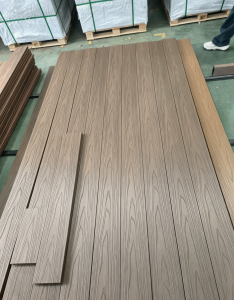
Decking (piso exterior):
- Terrazas and rooftop gardens in CDMX, Guadalajara and Monterrey
- Pool surrounds (deck para alberca) with slip-resistant surface texture
- Hotels, resorts, beach clubs and restaurants
- Walkways, boardwalks and commercial patios
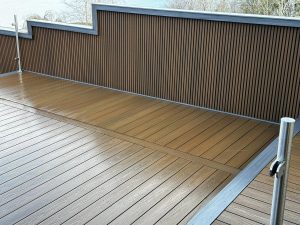
Wall panels (lambrín / revestimiento):
- Exterior facades and fence cladding
- Covered terraces and pergolas
- Garden walls, privacy screens and balcony enclosures
- Interior feature walls in restaurants, retail and hospitality projects
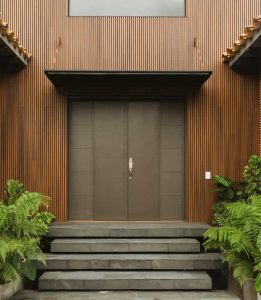
Using the same color family for floor and wall creates a coordinated look that designers and architects love.
Co-Extruded WPC vs. Natural Wood vs. Plain WPC
| Feature | Natural Wood | Plain WPC | Co-Extruded WPC |
| Termite resistance | Low | Good | Very good |
| Fade resistance | Low | Medium | High |
| Stain resistance | Low | Medium | High |
| Yearly maintenance | High | Low | Very low |
| Lifespan outdoors | Short to medium | Medium | Long |
Upfront cost per square meter may be higher than pine or treated wood, but total cost over 10 to 15 years is usually lower once you remove annual treatment, repainting and replacement.
How to Choose: A Quick Buyer’s Checklist
- Check the capping layer.Ask whether it is fully co-extruded on all visible sides, not just the top.
- Ask for test data.UV aging, slip resistance and water absorption reports show real quality.
- Look at the surface.Wood-grain embossing and brushed textures give better grip and a natural look.
- Confirm the profile.Solid boards are stronger for heavy traffic; hollow boards are lighter and more economical.
- Plan the substructure.Use proper joists and allow for ventilation and drainage under the deck.
- Choose colors wisely.Lighter tones stay cooler under direct sun. Darker tones hide dirt but get warmer.
Installation Basics
Composite decking installs with hidden clips or stainless steel screws onto aluminum or WPC joists. Leave small expansion gaps between boards and at edges. Wall panels are fixed to a furring (battens) system, which also gives a ventilated cavity behind the cladding. Most contractors in Mexico who work with wood can learn the system quickly.
Frequently Asked Questions
¿El deck WPC se calienta mucho con el sol?
All outdoor surfaces get warm in direct sun. Lighter colors and textured finishes help, and shading (pergolas, umbrellas) makes a big difference.
¿Sirve para alberca?
Yes. Choose a textured, slip-resistant board. It does not splinter, so it is comfortable for bare feet.
¿Cuánto dura un deck de madera plástica?
With proper installation, quality co-extruded decking is typically designed for many years of outdoor use, and many suppliers offer long warranties. Always confirm warranty terms in writing.
¿Se puede usar como lambrín en interior?
Yes. Wall panels work well indoors in restaurants, offices and feature walls where easy cleaning matters.
¿Es ecológico?
Many WPC products use recycled plastic and wood fiber, and they reduce the need for chemical treatments and tropical hardwood.
Get a Quote for Your Project
Whether you are a contractor, distributor, architect or homeowner in Mexico, we can supply co-extruded decking and wall panels in multiple colors, profiles and sizes, with samples available on request.