
What Is 3D Embossed WPC Decking?
WPC (wood-plastic composite) is made from wood fiber and polymers, formed into durable boards. The 3D embossed (deep embossed) surface is created by pressing a deep, detailed wood-grain texture into the board face during production. Instead of a shallow print or light brushing, you get visible depth, grain lines, knots and natural variation that you can see and feel.
Many modern boards also include a protective co-extruded outer shell that wraps the core, adding UV, stain and moisture resistance. The embossed texture is then formed in this durable surface layer.
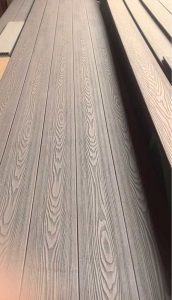
Compared with standard flat or lightly brushed composite boards, 3D embossing offers:
- A far more realistic wood appearance, with natural depth and matte finish
- Better slip resistance, which matters on wet terraces, around pools and in rainy regions
- Less visible scratches and wear, since texture hides small marks
- A comfortable, natural feel underfoot, even barefoot
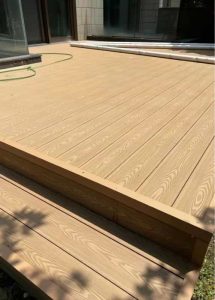
Why 3D Embossed WPC Suits Chile
1. Strong UV in the north and central zone. Boards with UV-stabilized, capped surfaces help colors stay stable instead of fading to gray like untreated wood.
2. Rain, humidity and moss in the south. WPC does not rot, and the deep texture improves grip when the surface is wet. This is a major advantage over smooth timber, which can become dangerously slippery.
3. Coastal homes. For houses in Viña del Mar, Algarrobo, Zapallar, Pichilemu, Pucón lakeside or Chiloé, composite decking handles salty and humid air much better than untreated wood or many metals.
4. Wind and temperature swings. Properly installed boards with correct expansion gaps cope well with day and night temperature differences, including cold mountain and southern climates.
5. No yearly mantención. No sanding, staining or oiling every season. Sweeping and washing with water and mild soap is usually enough.
6. Splinter-free comfort. A big plus for kids, pets and barefoot use around the pool or tinaja.
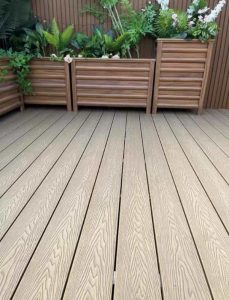
Deck WPC vs. Pino Impregnado vs. Hardwood
| Feature | Pino Impregnado | Natural Hardwood | 3D Embossed WPC |
|---|---|---|---|
| Rot and insect resistance | Medium (treatment wears off) | Good to high | High |
| Fading and graying | Fast | Medium | Low (with UV-stable surface) |
| Slip resistance when wet | Low | Low to medium | High (deep texture) |
| Yearly mantención | High | High | Very low |
| Splinters and cracking | Common | Possible | None |
| Realistic wood look | Yes (changes over time) | Excellent | Very good, stays consistent |
| Long-term cost | Low upfront, high over time | High | Medium upfront, low over time |
Pino impregnado is popular in Chile because it is cheap to buy, but when you add sealing, repairs and eventual replacement, the total cost over 10 to 15 years is often higher than composite.
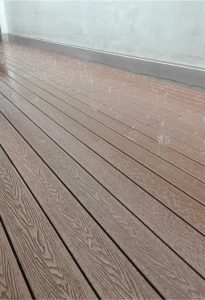
Best Applications in Chile
- Terrazas and balconies in houses and departamentos, including rooftop terraces
- Quinchos and parrilla areas, with easy cleaning after asados
- Pool surrounds (deck para piscina), thanks to slip-resistant texture
- Tinaja and spa areas, for safe, comfortable footing
- Gardens, walkways and parcelas de agrado
- Cabañas, lodges, hotels and restaurants in tourist areas such as Pucón, Villarrica, Puerto Varas and the coast
- Condominios and commercial projects, where durability and low mantención matter
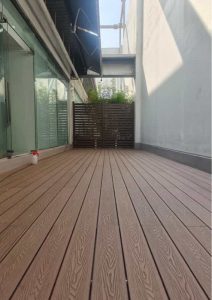
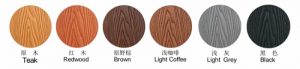
Choosing the Right Color and Style
- Teak and honey tones: warm and classic, popular for family terraces
- Walnut and chocolate: elegant and modern, great with dark window frames
- Light oak and sand: keeps surfaces cooler under strong sun, ideal for the north and central zone
- Gray and silver tones: contemporary look, blends well with concrete and stone
- Dark charcoal: stylish, but gets warmer in direct sun, so use shade where possible
Deep 3D grain works especially well on wider boards and rustic patterns, where real timber character is most appreciated.
Installation Basics
- Build a solid, level substructure with joists spaced according to the manufacturer’s guidance (closer for heavy traffic).
- Make sure there is drainage and ventilation under the deck. Never let water pool beneath it.
- Leave expansion gaps between boards, at the ends and next to walls, as specified in the installation manual.
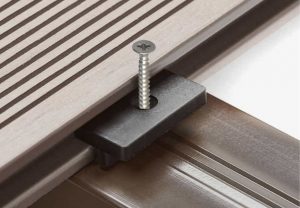
- Use hidden clips or stainless steel fasteners, especially in coastal zones.
- Add a slight slope for water runoff on open terraces.
- In wind-exposed areas, secure edges and trims carefully.
Installation is similar to timber decking, so most carpenters and contractors in Chile can adapt quickly.
Maintenance in Three Easy Steps
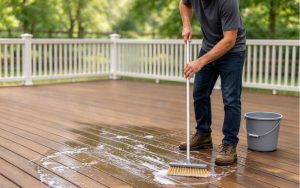
- Sweep regularly to remove leaves and dust.
- Wash with water and neutral soap using a soft brush that follows the grain direction.
- Remove oil or food stains promptly. Avoid harsh solvents and abrasive tools.
In the south, an occasional wash to remove moss or algae from shaded areas is a good idea.
Frequently Asked Questions
¿El deck de madera plástica se pudre o se llena de hongos?
It does not rot like natural wood. In very damp, shaded areas, surface moss or algae can still grow on any material, but it is easy to wash off.
¿Resbala cuando está mojado?
Deep 3D embossed boards offer better grip than smooth surfaces. For pools, ask for slip resistance test results.
¿Se calienta mucho con el sol?
Like any outdoor surface, it warms up in direct sun. Lighter colors and some shade, such as a pérgola, help a lot.
¿Sirve para el norte de Chile?
Yes, provided you choose a board with a UV-stable capped surface and use light or medium colors.
¿Se puede instalar sobre una terraza de hormigón?
Yes, using adjustable pedestals or joists, with proper drainage and ventilation.
¿Es más barato que la madera?
Initial cost may be higher than pino impregnado, but you save on sealing, repairs and replacement over time.
¿Es ecológico?
Many WPC boards use recycled plastic and wood fiber and avoid the chemical treatments needed for outdoor timber.