1. What Is 3D Embossed WPC Decking?
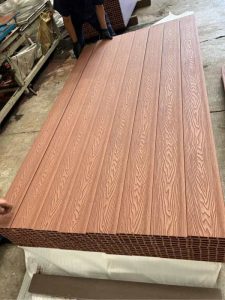
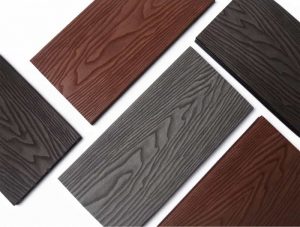
WPC decking is made from wood fiber and thermoplastic (usually HDPE ), formed into boards by extrusion. 3D deep embossing presses a pronounced, multi-layered wood-grain texture into the surface, rather than the shallow pattern found on standard boards.
The result:
- A realistic look, with visible grain depth in the light
- Better grip underfoot, especially when wet
- Less visible scratching and wear than on smooth boards
2. Why Central America’s Climate Demands Better Decking
Costa Rica, Panama, Guatemala, Honduras, El Salvador, Nicaragua and Belize share conditions that are hard on outdoor materials:
- High humidity and heavy rainy seasons, which cause rot, mold and swelling in timber
- Intense UV exposure, which fades color and dries out wood
- Termites and wood-boring insects, a major concern for coastal and jungle-adjacent builds
- Salt airin Pacific and Caribbean coastal areas
- Poolside and beachfront use, where slip safety is critical
Conventional hardwood decking needs frequent oiling and replacement in these conditions. For project owners, that means rising maintenance costs and complaints.
3. Key Advantages of Deep Embossed WPC Decking
Moisture and rot resistance. Composite boards do not absorb water like solid timber, so they stay dimensionally stable through wet and dry cycles.
Termite resistance. The plastic-encapsulated structure is far less attractive to termites than natural wood.
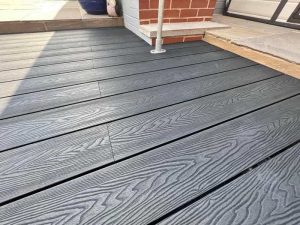
Slip resistance. The deep texture adds grip around pools, balconies and walkways.
UV and color stability. UV-stabilized formulations help the surface hold its color.
Low maintenance. No sanding, staining or sealing. Regular cleaning with water and mild soap is enough, which suits hotels and property managers with large deck areas.
Sustainability. Many WPC boards use recycled materials and are themselves recyclable.
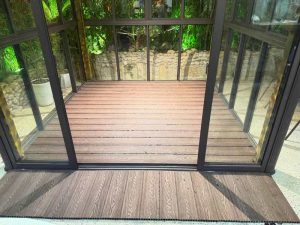
4. WPC vs. Natural Wood vs. Other Materials
| Feature | 3D Embossed WPC | Natural Hardwood | Pressure-Treated Pine | Smooth Composite |
| Humidity resistance | High | Medium | Low–Medium | High |
| Termite resistance | High | Low–Medium | Medium | High |
| Maintenance | Low | High | High | Low |
| Slip resistance | High (deep texture) | Medium | Medium | Lower |
| Realistic wood look | Very high | Natural | Medium | Medium |
| Lifespan | [15–25 years] | Varies | Short | [10–20 years] |
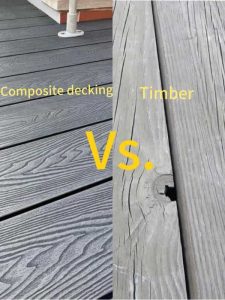
5. Where It Is Used: Project Applications
- Hotels and resorts:pool decks, beach clubs, restaurant terraces, walkways
- Residential developments:condo balconies, villa terraces, rooftop lounges
- Commercial and retail:outdoor cafés, shopping center plazas
- Public spaces:boardwalks, park paths, marinas
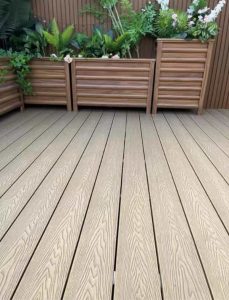
6. 7 Factors When Choosing a WPC Decking Supplier
- Product certifications and test reports: ask for slip, UV, fire rating and material safety documents
- Formulation and raw materials: virgin or recycled content, additive quality
- Surface technology: depth and consistency of embossing, co-extrusion
- Color consistency between batches: important for large projects
- Warranty terms: length, what it covers, and how claims are handled
- Customization: colors, board sizes, private label, packaging in English/Spanish
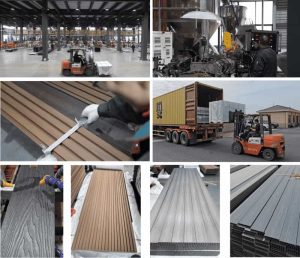
- Supply capacity and lead time: monthly output and delivery reliability
7. FAQ
Is WPC decking suitable for Central America’s rainy season?
Yes. Its low water absorption makes it more stable than natural timber in heavy rain and high humidity. Proper installation with drainage gaps and ventilation is still important.
Will WPC decking fade in strong tropical sun?
UV-stabilized, co-extruded boards are designed to resist fading, though all materials change slightly over time.
Is it termite-proof?
It is highly resistant to termites compared with natural wood, but no material is guaranteed against every pest. Sub-structure materials should also be considered.
Does deep embossing make the surface harder to clean?
Not significantly. Regular sweeping and rinsing is enough, and a soft brush helps in textured areas.
What is your MOQ for distributors?
Our minimum order quantity is 200 m² per model. This keeps the first order manageable for distributors who want to test the market or mix several models and colors. Contact us with your target quantity and we will recommend the best loading plan for your container.
Can you customize colors and packaging for my brand?
Yes. We can customize decking colors and packaging according to your requirements, so the product fits your brand and your local market. Send us your color references and packaging needs, and our team will confirm the options and lead time.
Do you provide Spanish-language documentation?
Yes, we can provide Spanish-language labels on our packaging, which makes receiving, warehousing and retail display easier for distributors in Central America. Tell us what wording you need on the labels and we will confirm it before production.
8. Get a Free Sample and Quote
Planning a project or looking for a reliable WPC decking supplier for Central America? We provide free samples, technical documents and tailored quotations.