What Is WPC Exterior Wall Cladding?
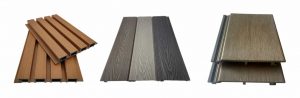
WPC stands for Wood Plastic Composite. Outdoor WPC wall panels are made from wood fiber and polymer, then extruded into hollow or solid boards. Panels for exterior use are usually co-extruded, meaning a protective polymer layer is bonded onto the surface. This layer improves resistance to UV rays, water, stains, and scratches.
Popular styles for exterior walls include:
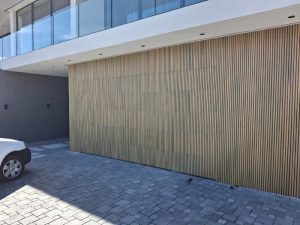
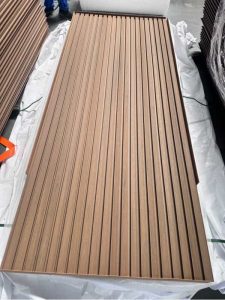
- Fluted (grooved) cladding, the most popular choice for modern facades and feature walls
- Flat wood-grain cladding for a clean, natural look
- Deep-embossed textured panels for a more realistic timber feel
- Dark charcoal and walnut tones for a premium, contemporary appearance
Why Outdoor WPC Cladding Suits the Nigerian Climate
1. Strong UV and Heat Resistance
Nigeria gets intense sun for much of the year. Quality co-extruded WPC panels contain UV stabilizers that slow fading, so the color stays consistent far longer than ordinary paint or uncoated wood.
2. Waterproof Through the Rainy Season
Heavy rain in Lagos, Port Harcourt, and Calabar can damage timber, plywood, and poorly sealed plaster. WPC does not absorb water like natural wood, so it resists swelling, rotting, and mold.
3. Termite Resistant
Termites destroy exterior timber quickly. WPC gives you a wood look without being an attractive food source for them.
4. Easy to Clean in Dusty Conditions
During the harmattan, dust settles on every surface. WPC panels can be cleaned with water and a soft brush, and they need no repainting.
5. Fast Installation, Less Mess
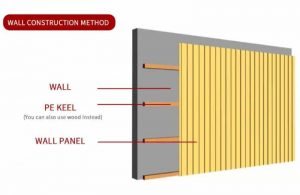
Panels are fixed to a keel (batten) system with clips or screws. There is no wet plastering and no long curing time, so projects finish faster and with less site waste.
6. Lower Long-Term Cost
Exterior paint peels and needs to be redone every few years. WPC has a higher upfront cost than paint, but low maintenance often makes it cheaper over time.
WPC Cladding vs Exterior Paint vs ACP vs Stone
| Feature | WPC Cladding | Exterior Paint | ACP Panel | Stone Cladding |
| Wood-like appearance | ✅ Yes | ❌ No | ❌ No | ❌ No |
| Weather resistance | ✅ Good | Medium | ✅ Good | ✅ Good |
| Repainting needed | No | Every few years | No | No |
| Weight | Light | Very light | Light | Heavy |
| Installation speed | ⚡ Fast | Fast | Medium | Slow |
| Termite resistant | ✅ Yes | ✅ Yes | ✅ Yes | ✅ Yes |
| Relative cost | Medium | Low | Medium to high | High |
WPC is a strong option when you want a natural timber look, lower maintenance, and lighter loads on the structure than stone.
Exterior WPC Wall Cladding Price in Nigeria: What Affects the Cost?
Many buyers search “exterior wall cladding price in Nigeria” and see very different figures. The main factors are:
- Co-extrusion and surface quality: panels with a protective outer layer cost more but last longer outdoors. Uncoated panels are cheaper but fade faster.
- Panel size and thickness: larger, thicker panels cost more per piece.
- Material formula: low-grade panels use too much filler and may crack or warp in heat.
- Order quantity: bulk imports usually cost much less per meter than buying from local retailers.
- Accessories: clips, keels, end caps, and trims add to the total project cost.
- Freight and exchange rate: shipping to Lagos ports (Apapa, Tin Can Island) and naira-to-dollar movement affect landed cost.
Tip: Buying directly from a manufacturer removes middlemen and often saves a large share of the cost. Contact us for a factory-direct quotation to Lagos.
Where Is WPC Exterior Cladding Used in Nigeria?
- Residential facades:duplexes, bungalows, villas, estate homes
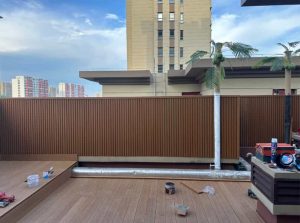
- Balconies and terraces:feature walls and privacy screens
- Gate houses and entrances:boundary and entrance walls
- Hotels and resorts:facades, lobby entrances, poolside walls
- Commercial buildings:plazas, shops, showrooms, offices
- Restaurants, lounges, and bars:outdoor seating areas
- Churches and event centers:entrance and exterior feature walls
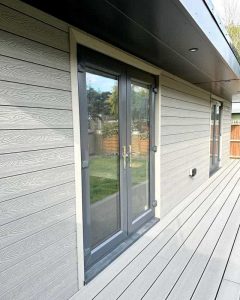
How to Install WPC Exterior Wall Cladding
- Make sure the wall surface is stable, dry, and structurally sound.
- Install a waterproof membrane where needed, especially on older or damp walls.
- Fix aluminum or treated wood keels (battens) vertically to the wall at recommended spacing.
- Attach the panels to the keels with stainless steel clips or screws.
- Leave small expansion gaps, since WPC expands and contracts slightly with heat.
- Keep some ventilation space behind the panels for airflow and drainage.
- Finish edges with matching corners, trims, and end caps.
Use a professional installer for large facades, and follow the manufacturer’s installation guide.
How to Import WPC Exterior Cladding from China to Nigeria
If you are a contractor, distributor, or building materials supplier, importing directly helps protect your margin. Keep these points in mind:
- Choose an experienced manufacturerwith real production capacity, quality control, and export history.
- Confirm the product is designed for outdoor use, with co-extrusion, UV protection, and suitable density.
- Ask for samplesto check color, texture, and strength before ordering.
- Confirm specifications: size, thickness, color, accessories, packing, and quantity per container.
- Understand Nigerian import requirements, such as product conformity documents (for example SONCAP where applicable), and work with an experienced clearing agent.
- Agree on shipping terms(FOB, CIF Lagos) and lead times in writing.
Why Buy from Us?
- Factory-direct pricing with no middlemen
- Co-extruded, UV-resistant panels made for outdoor conditions
- Fluted, wood-grain, and textured designs in multiple colors
- Complete accessories: keels, clips, trims, and end caps
- Custom sizes and colors for wholesale orders
- Strict quality inspection before shipment
- Export experience to West Africa, including Lagos
- Fast quotations and responsive after-sales support
Frequently Asked Questions
Is WPC good for exterior walls in Nigeria?
Yes. Quality co-extruded WPC resists rain, humidity, UV, and termites, which suits Nigeria’s climate.
Will WPC cladding fade in the sun?
All outdoor materials change slightly over time, but panels with UV protection and co-extruded surfaces fade far less than uncoated products.
How long does outdoor WPC cladding last?
With good quality and correct installation, panels can last 25 years or more outdoors.
Is WPC cladding fireproof?
WPC is not non-combustible. Choose panels with suitable flame-retardant properties where required, and check local building and fire regulations for your project.
Can I install it directly on a block wall?
Yes, but it is best installed on a keel system, which allows ventilation and drainage behind the panels.
Is it suitable for coastal areas like Lagos?
Yes. WPC does not rust or rot, which makes it a good option in humid, coastal environments.
Can I get a sample before ordering in bulk?
Yes. Contact us to request samples and a price list.
Do you ship to Lagos?
Yes. We ship to Lagos ports and can quote FOB or CIF terms.